
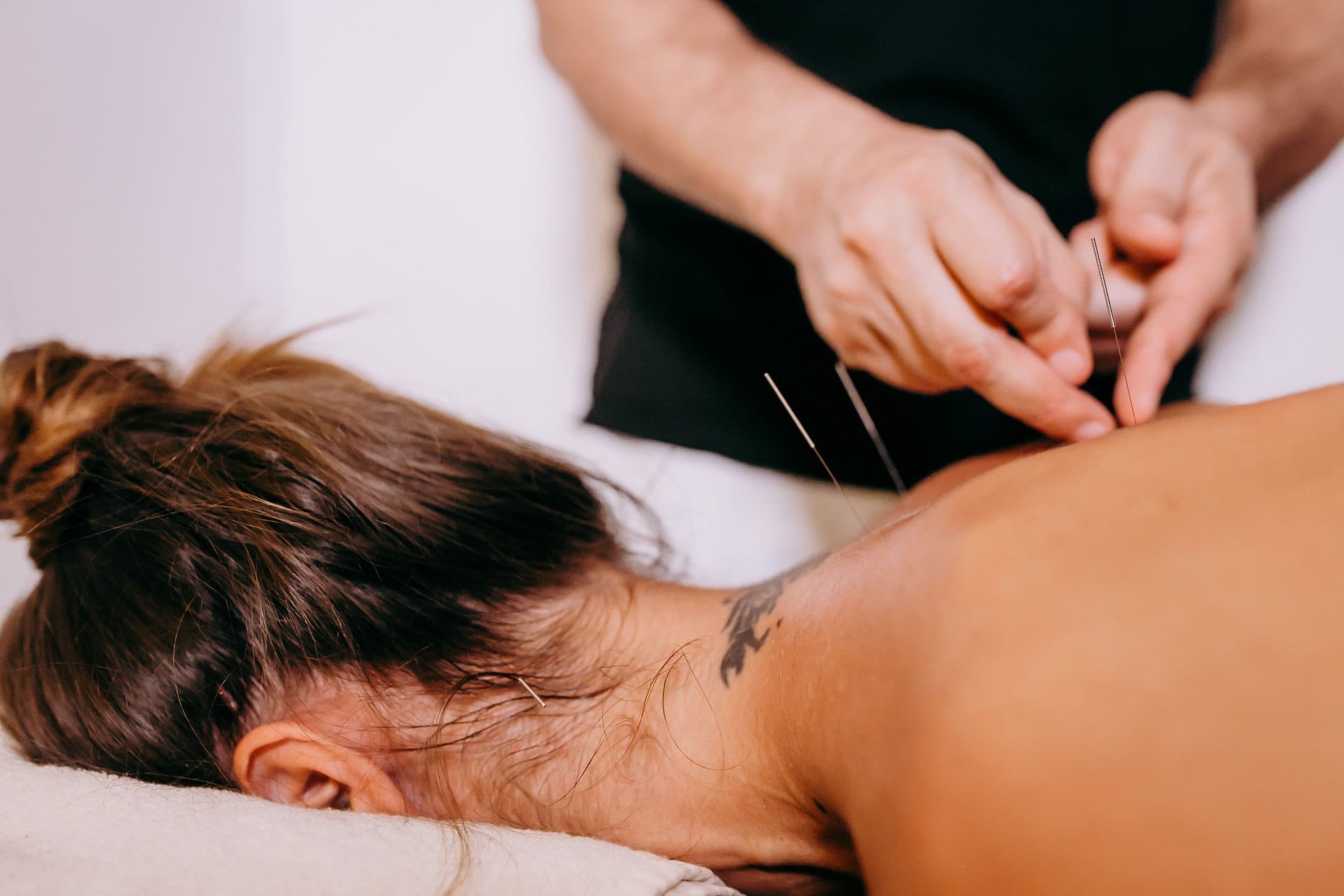
Dry needling is a technique in which thin, sterile needles are inserted into so-called trigger points: hardened, painful spots in the muscle that can also cause radiating pain. The name 'dry' refers to the fact that no liquid is injected: the needle itself is the active agent. Although dry needling looks superficially similar to acupuncture, it is scientifically and conceptually an entirely different approach.
The technique is rapidly gaining ground in physiotherapy practice. A review published in the Journal of Orthopaedic & Sports Physical Therapy in 2021 found that dry needling for myofascial pain was significantly more effective than sham procedures in reducing pain and improving function. That makes it a valuable addition to the physiotherapeutic arsenal, though it works best as part of an integrated treatment plan rather than on its own.
1.Dry needling vs. acupuncture: a crucial distinction
Acupuncture is rooted in traditional Chinese medicine and operates on the concept of energy pathways (meridian lines) in the body. Dry needling has no relationship whatsoever with that concept. Needle placement in dry needling is entirely based on anatomy, muscle physiology and neurology. A physiotherapist who applies dry needling locates trigger points through careful palpation of the muscle and inserts the needle precisely into the most tensioned part of the muscle fibre.
2.The science behind trigger points
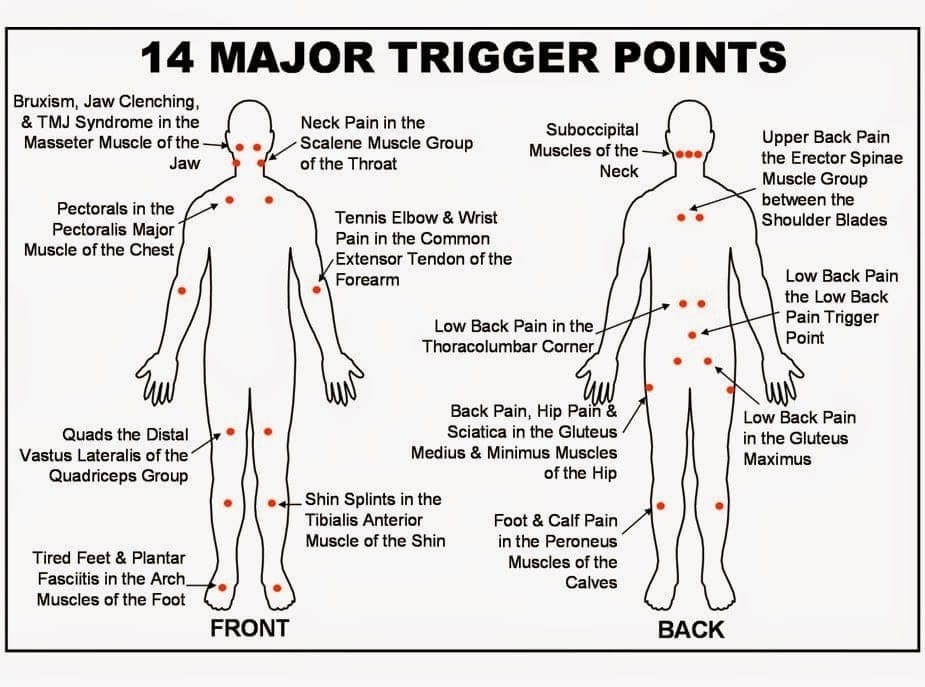
Trigger points are hyper-irritable, taut bands in skeletal muscles that cause local pain and characteristic referred pain on pressure. They were first extensively described by American physician Janet Travell, who systematically mapped them in the 1950s. Although the exact physiological mechanisms are still the subject of scientific debate, there is strong evidence that trigger points are associated with local hypoxia, elevated concentrations of algogenic substances (pain chemicals) and abnormal acetylcholine release at the motor end plate.
3.What happens during a dry needling session?
Dry needling at Fysiotherapie Wennekers is always integrated into a broader treatment plan; it is never a standalone therapy. The session begins with a reassessment of the complaint and identification of the relevant trigger points. Depending on the location and extent of the complaint, one to several needles are inserted. Each needle typically remains in place for 30 seconds to two minutes.
During the treatment you may experience a slight stinging or cramping sensation at the moment of the local twitch response. After the session it is normal for the treated muscle to feel mildly sore for 24 to 48 hours, comparable to the muscle soreness you feel after exercise. This is a physiological response indicating that healing processes are underway in the muscle. Drinking plenty of water and moving gently after the treatment aid recovery.

4.For which complaints is dry needling effective?
Dry needling is particularly effective for myofascial pain syndrome, a condition where trigger points in the muscles are the source of pain. Common conditions in which the technique is applied include tension headache and neck pain (especially when the trapezius and suboccipital muscles are involved), low back pain with a muscle tension component, shoulder pain due to trigger points in the rotator cuff, knee pain where the quadriceps or hamstrings are overloaded, and RSI-related complaints in the forearm and wrist.
It is important to emphasise that dry needling is not a stand-alone treatment. It works best in combination with exercise therapy, manual therapy and postural correction. The needle removes the muscle tension that was inhibiting recovery; the exercise therapy that follows ensures the muscle rebuilds strength and restores correct motor patterns.
5.Side effects and safety
Dry needling is, when performed by a qualified physiotherapist, a safe treatment. The most common side effect is local muscle soreness after treatment, which usually disappears on its own. Occasionally a small haematoma (bruise) occurs at the needle site. Serious complications such as infections or pneumothorax are extremely rare with correct technique and sterile materials.
6.Dry needling at Fysiotherapie Wennekers
At Fysiotherapie Wennekers we use dry needling as one of the treatment techniques within an integrated physiotherapy plan. Every decision to needle is based on a thorough diagnosis and made in full consultation with you as the patient. Menno Wennekers has many years of experience with the technique and applies it to a wide range of muscle and joint complaints.
Would you like to know more about dry needling or whether it is suitable for your complaints? View our dry needling treatment page for more information, or book an appointment directly.

Menno Wennekers
Physiotherapist
18 June 2025 · 7 min read